

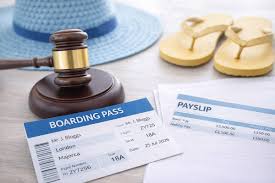
Holiday pay is one of the most common sources of disputes between employees and employers. Part-time workers, shift workers, people on zero-hours contracts and those who have just left a job are often unsure whether they have been paid correctly.
This guide explains your holiday entitlement, how holiday pay is calculated, what you should receive when you leave, and what to do if your employer gets it wrong.
How Much Holiday Are You Entitled To?
Almost all workers in the UK are entitled to a minimum of 5.6 weeks of paid holiday a year.
- If you work 5 days a week, that is 28 days, which can include bank holidays.
- If you work fewer days, your entitlement is pro rata. For example, someone working 3 days a week gets 16.8 days.
- There is a statutory cap of 28 days for most workers, even if they work more than 5 days a week.
Your contract may give you more than the legal minimum, but never less. Whether bank holidays are included in your total depends on your contract, so check it carefully.
Who Counts? Part-Time, Agency and Zero-Hours Workers
Holiday rights are not limited to full-time permanent staff. The following can all have a right to paid annual leave:
- part-time employees
- agency workers
- zero-hours workers
- casual and many fixed-term workers
Employers sometimes wrongly say these workers are “not entitled”. That is often incorrect.
How Is Holiday Pay Calculated?
For many workers, holiday pay is simply their normal pay. But it can be more complicated if your hours or earnings vary. Depending on your circumstances, holiday pay may need to reflect:
- regular overtime
- commission
- shift allowances
- other payments that are part of your normal pay
For workers with irregular hours or no set hours, a common method is to accrue holiday at 12.07% of hours worked. Employers should explain how your holiday is calculated. If they cannot, ask for it in writing.
What Happens to Holiday Pay When You Leave a Job?
When your employment ends, you are entitled to be paid for any statutory holiday you have accrued but not taken. This should be paid in your final pay.
If you have taken more holiday than you had accrued, your employer may only be able to recover this if your contract clearly allows it. Be cautious about deductions you did not agree to. Our guide on illegal deduction of wages explains when deductions are unlawful.
Can Your Employer Refuse a Holiday Request?
Employers can usually refuse or ask you to change dates because of business needs, as long as they give you proper notice and follow your contract. They can also require you to take holiday on specific dates, again with the right notice. However, they cannot stop you from taking your statutory holiday altogether.
Can You Carry Over Unused Holiday?
This depends on your contract and the circumstances. There are statutory rules about when holiday can be carried over, for example where you were unable to take leave because of sickness or family leave. Check your contract and ask your employer for the carry-over policy in writing.
What If You Are Not Paid Your Holiday Pay?
If your employer has refused, underpaid or ignored your holiday pay:
- Check your contract and payslips and calculate what you think you are owed.
- Raise it in writing with your manager or HR. Our guide on how to raise a grievance at work shows you how to do this properly.
- Contact Acas for free guidance and early conciliation.
- Take legal advice about your options.
Unpaid holiday pay can amount to an unlawful deduction from wages, and claims may be brought in an employment tribunal. Check the deadline carefully, because time limits are strict. See our guide on employment tribunal time limits.
Holiday Pay and Redundancy or Dismissal
If you are made redundant or dismissed, any accrued holiday must still be paid. If you are being offered an exit package, make sure holiday pay is included correctly before you sign. Read our guide on settlement agreements first.
A Note for Employers
Holiday pay mistakes are among the most common sources of wage claims. Make sure your contracts and handbook are clear, your payroll includes regular overtime and commission where required, and your final-pay calculations are accurate. Errors can also lead to backdated claims.
Frequently Asked Questions
How many days holiday am I entitled to?
Most workers get 5.6 weeks a year. For a full-time five-day week, that is 28 days, which can include bank holidays.
Do part-time workers get holiday pay?
Yes, pro rata to the hours or days they work.
Do zero-hours workers get holiday pay?
Yes. They accrue holiday based on the hours they work.
Can my employer deduct holiday from my final pay?
Only if your contract allows it and the deduction is lawful. Otherwise it may be an unlawful deduction.
Can I be paid instead of taking holiday?
Generally not during employment, except where the minimum leave has been taken. You should be paid for accrued untaken holiday when you leave.
Not Been Paid Your Holiday Pay? Speak to Maison Lex
If you think you are owed holiday pay, our employment solicitors in Coventry can review your payslips and contract and explain your options.
Contact us today for clear, practical advice.
📞 +44 7500 980526 | ✉️ info@maisonlex.co.uk
This article is for general information only and is not legal advice. Your situation depends on its own facts